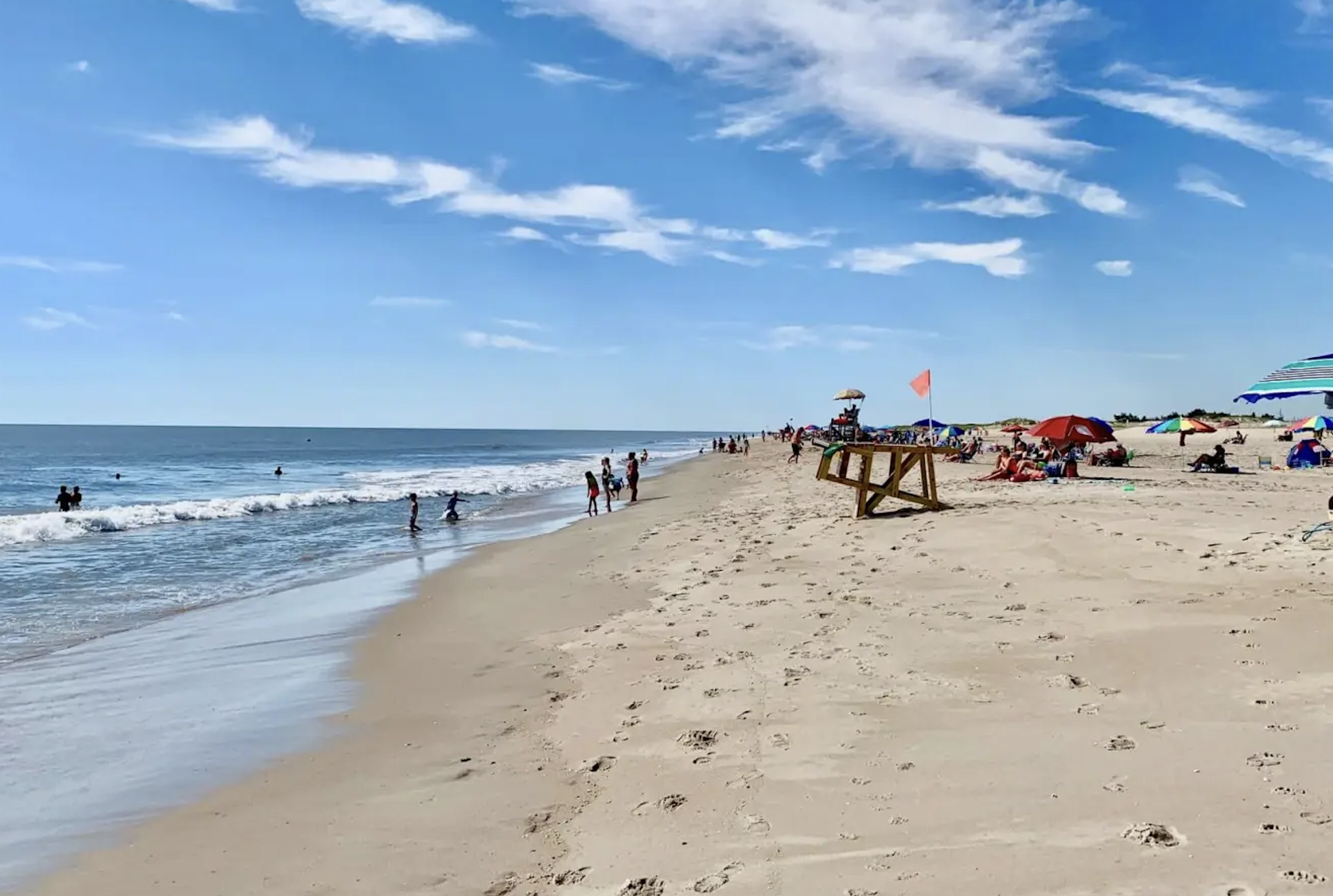
The earliest settlers in this area were Native Americans who traveled to the beach in the summer months to enjoy the cool breezes and abundant seafood. Between 1650 and 1675, English and Dutch settlers put down roots here as the area became home to farmers and members of William Penn's earliest legislatures. Later settlers participated in the American Revolutionary War.
According to information from the Rehoboth Beach Historical Society and Museum, in 1872, Rev. Robert W. Todd of St. Paul's M.E. Church in Wilmington visited a religious camp meeting on the Jersey Shore. He soon pursued the idea of starting a camp on the Delaware coast. In 1873, on 414 acres purchased from local farmers, the Rehoboth Camp Meeting Association was formed.
The grounds were laid out in a fan-shaped design with wide streets, parks, and specific building lots. This design remains largely intact today.
While the association discontinued its formal meetings by 1881, other groups utilized the site for services until around the turn of the 20th century. In 1891, Delaware's General Assembly established the territory as a municipality, naming it Henlopen City. In 1891, it was renamed Rehoboth Beach.
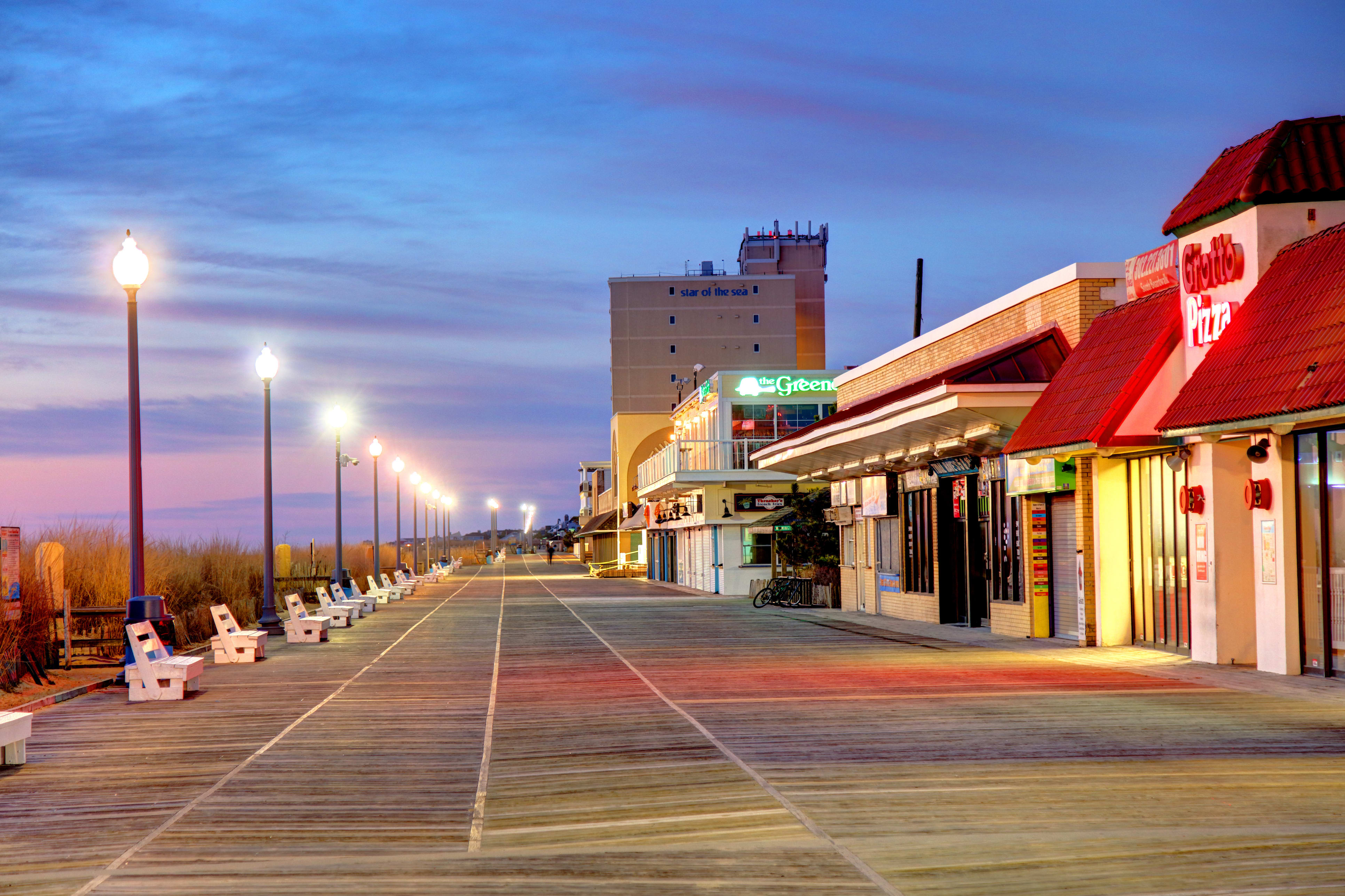
The boardwalk, now a mile long, was originally built in 1873 on high ground between the beach and Surf Avenue, which ran the full length of the oceanfront; many storms have changed the configuration over the years. In 1879, the original Henlopen Hotel was built on the site now occupied by a hotel of the same name.
With the coming of the railroad, which ran down the center of what is now Rehoboth Avenue, the second block of Baltimore Avenue became the new center for camp meetings and city life. Many of the original tent houses (small, one-room buildings surrounding a center structure) were moved there and new ones were constructed as well.
In 1925, a paved highway was completed from Georgetown to Rehoboth Beach. It helped link the resort with the paved roads connecting Washington, D.C., and many legislators, diplomats, and government employees began to visit and vacation here. It wasn't long before Rehoboth Beach came to be known as the "Nation's Summer Capital."
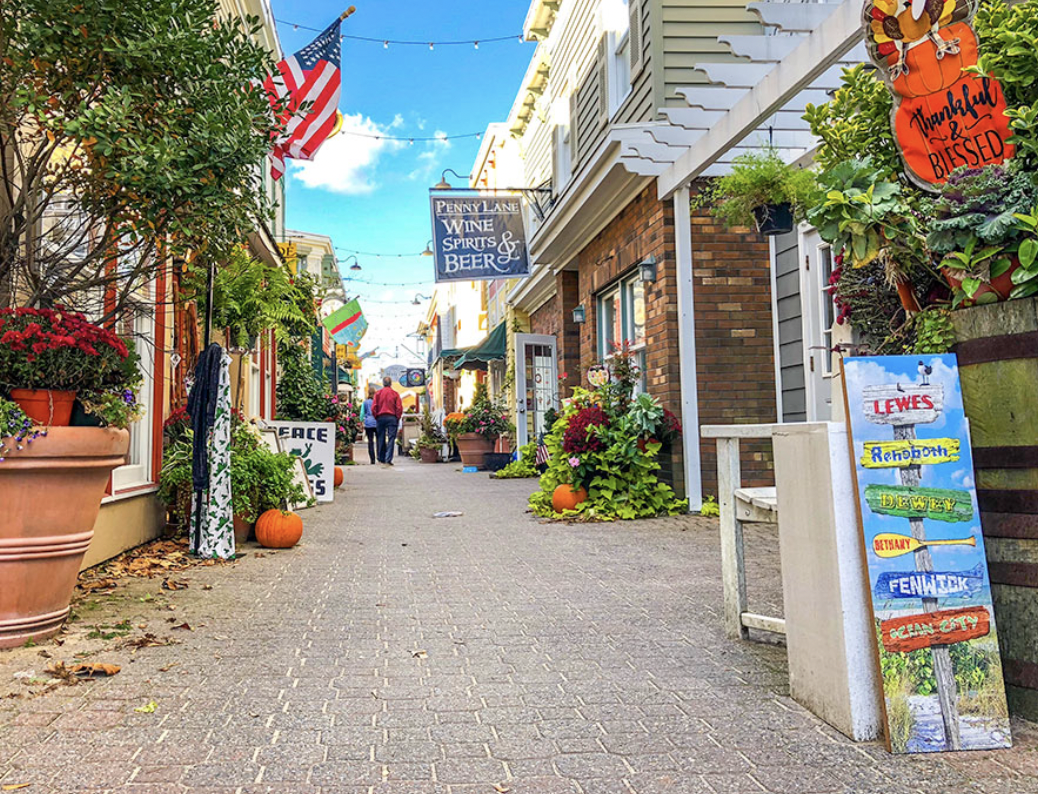
From its beginnings as a spiritual center to the public's embrace of the seacoast as a mecca for leisure activity, Rehoboth Beach has developed as a close-knit seaside town. It's a nod to the past that the city's present-day charter includes words that are nearly identical to several from the 1872 charter of the Camp Meeting Association, referring to "the maintenance of a permanent seaside resort and the furnishing of proper conveniences and attractions requisite to the same."
Downtown Rehoboth Beach came of age in the era of Victorian influences and has continued to evolve through the generations. Both Rehoboth's residential and commercial areas, despite their growth and maturation, have retained the warm and friendly charm and ambiance that reflect Rehoboth Beach's historic past.
See a brief video glimpse of Rehoboth Beach, created by the Chamber of Commerce.
Content from: www.cityofrehoboth.com